

 Key Information
- For Authors
- For Reviewers
- For Editors
- Join the Editorial Board
- Ethics and Policies
- Publishing Model
- Open Access
- Fee Policy
- Contact Us

Providing a fully open-access, internationally peer-reviewed platform, iMed is dedicated to intelligent medicine—the integration of digital technologies, artificial intelligence, and medical science to create smarter, more responsive healthcare systems. The journal focuses on how intelligent systems, data-driven approaches, and connected devices are transforming diagnosis, treatment, monitoring, and health system management. iMed recognizes that the future of medicine is increasingly intelligent, proactive, and personalized, and encourages scholarship addressing technological innovation, clinical integration, patient outcomes, and the ethical and societal implications of intelligent healthcare.

MetaVR is a peer-reviewed, open-access journal of international standing dedicated to virtual reality technologies and their applications. Covering the full spectrum from fundamental perception and rendering algorithms to interaction design, immersive experience evaluation, and application development across entertainment, education, training, and therapy, the journal views VR not merely as simulation technology but as a medium for creating new forms of experience, communication, and human-computer interaction. MetaVR encourages scholarship addressing both technical excellence and the human dimensions of immersive experience.
Operating as an open-access, peer-reviewed international journal, CompData is devoted to the science, engineering, and application of data at scale. Spanning the full data lifecycle—from acquisition and storage to processing, analysis, and interpretation—the journal prioritizes scalable methods, algorithmic innovation, and reproducible research. CompData recognizes that data’s real value lies in the insights it generates, and thus encourages both methodological advances in machine learning, statistics, and optimization, and domain-driven applications across science, engineering, and society.
The field of biomechanics concerns with motion, deformation, and forces in biological systems. With the explosive progress in molecular biology, genomic engineering, bioimaging, and nanotechnology, there will be an ever-increasing generation of knowledge and information concerning the mechanobiology of genes, proteins, cells, tissues, and organs. Such information will bring new diagnostic tools, new therapeutic approaches, and new knowledge on ourselves and our interactions with our environment. It becomes apparent that biomechanics focusing on molecules, cells as well as tissues and organs is an important aspect of modern biomedical sciences. The aims of this journal are to facilitate the studies of the mechanics of biomolecules (including proteins, genes, cytoskeletons, etc.), cells (and their interactions with extracellular matrix), tissues and organs, the development of relevant advanced mathematical methods, and the discovery of biological secrets. As science concerns only with relative truth, we seek ideas that are state-of-the-art, which may be controversial, but stimulate and promote new ideas, new techniques, and new applications. This journal will encourage the exchange of ideas that may be seminal, or hold promise to stimulate others to new findings.
In 2024, SIN-CHN SCIENTIFIC PRESS acquired Molecular & Cellular Biomechanics from Tech Science Press, and will publish this journal from Volume 21, 2024. As of 1 March 2024, new submissions should be made to our Open Journal Systems. To view your previous submissions, please access TSP system.
Sustainable Economies (SE, eISSN: 3029-2743), an open acccess journal, provides a platform for scholars, practicers to communicate the theory of sustainable economy, such as the important indicators and basic tools of sustainable economy development, and the relationship between population, resources, environment, and economy. Combining sociology and ecology, the journal examines social development, social distribution, balance of interests, ecological balance, nature conservation, sustainable use of resources and environment, regional development, productivity layout, optimization of economic structure, and balance of physical supply and demand through both micro and macro perspectives. The journal welcomes submissions from worldwide researchers and practitioners with a focus on sustainable economies especially in developing countries. The article types include, but are not limited to, original research articles, review articles, editorials, brief reports, perspectives, and commentaries.
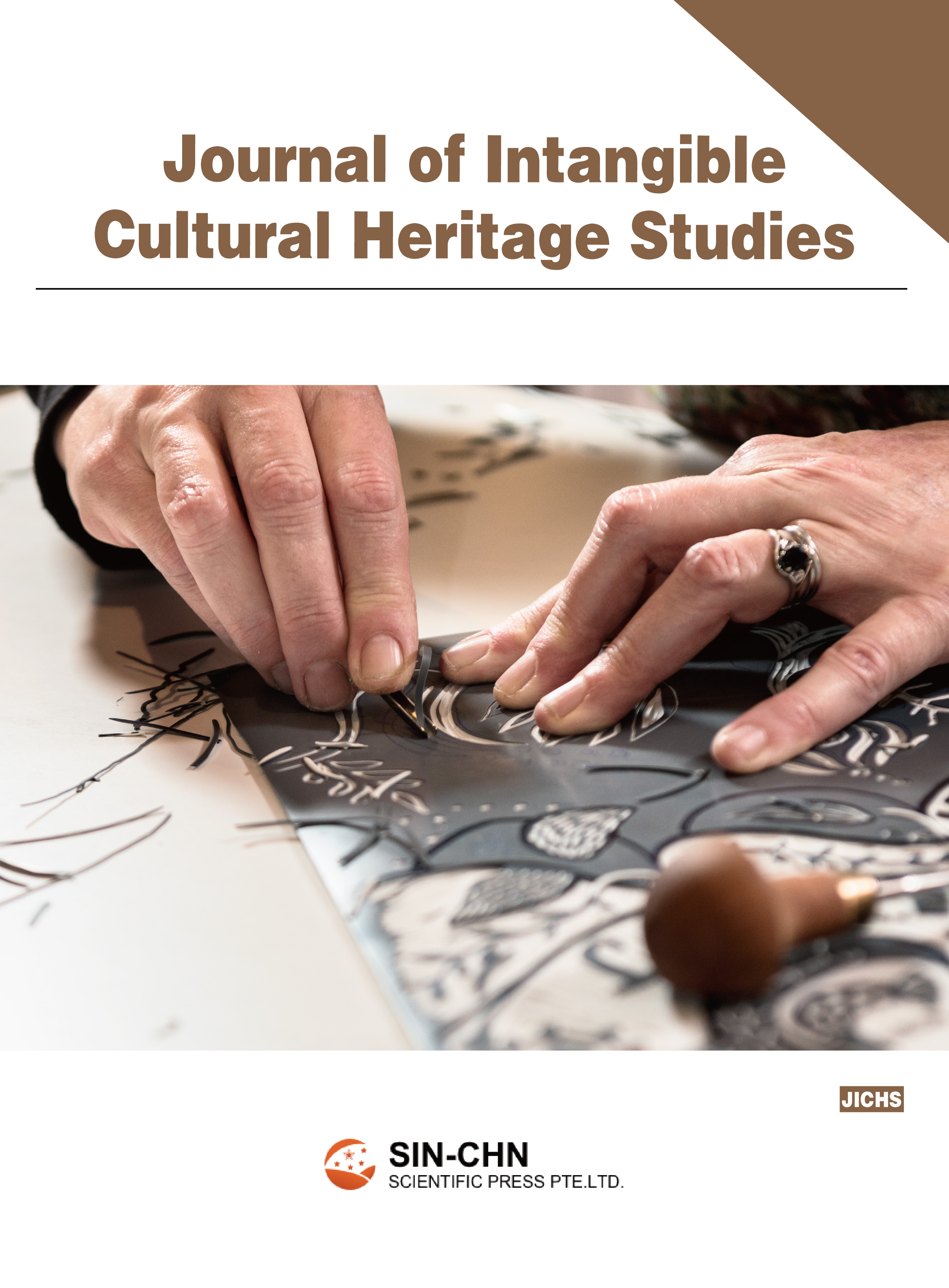
The Journal of Intangible Cultural Heritage Studies (JICHS) is a peer-reviewed academic journal focused on advancing research in the preservation, study, and promotion of intangible cultural heritage (ICH). It provides an interdisciplinary platform for scholars, practitioners, policymakers, and communities to explore ICH's significance in the modern world. The journal covers a wide range of topics, including ICH's preservation, transmission, revitalization, and its role in fostering cultural identity and social cohesion. By encouraging global perspectives and collaboration across anthropology, sociology, cultural heritage, and policy studies, the journal aims to promote sustainable ICH preservation for future generations.
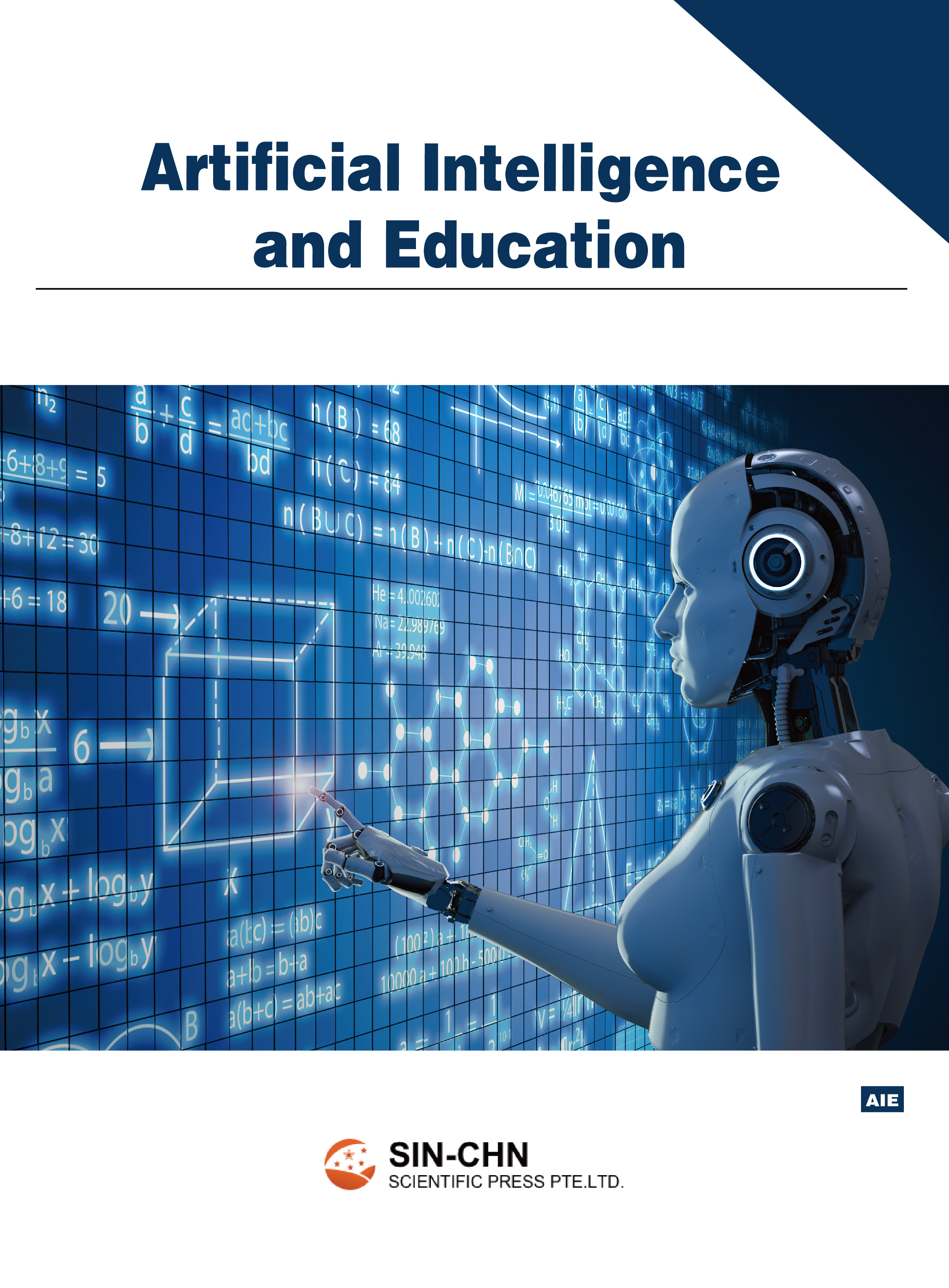
Artificial Intelligence and Education is dedicated to exploring the transformative role of AI technologies in education. We aim to highlight innovations in AI-driven teaching, learning, assessment, and policy-making, as well as address challenges such as equity, privacy, and accessibility. The journal will serve as a global hub for educators, researchers, and technology developers who are shaping the future of learning through AI.
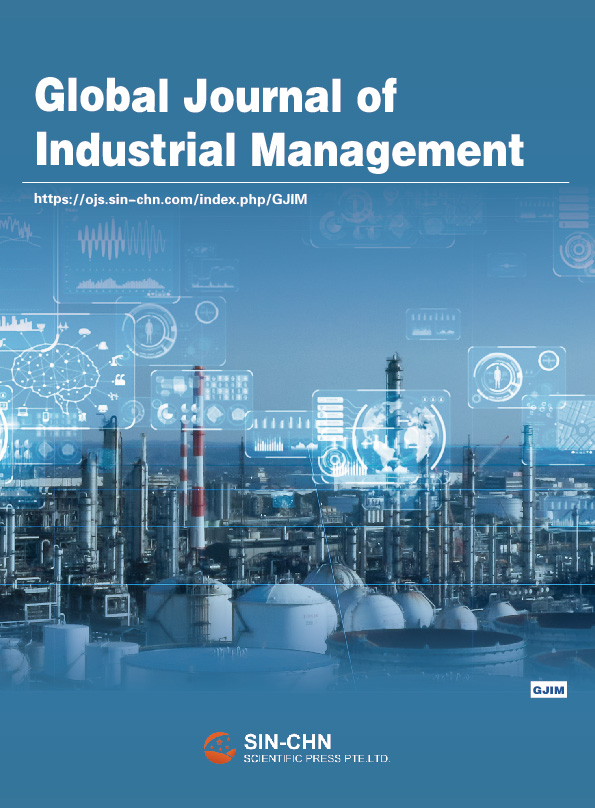
Global Journal of Industrial Management (GJIM) is an international peer-reviewed journal launched in 2025. This journal focuses on the interdisciplinary field of industrial management and aims to publish high-quality research results and advance knowledge in theory and practice. Adopting the open access model, the journal serves as a stable forum for researchers, practitioners, and policymakers to disseminate their findings and insights, and provides free accessibility for a wide range of readership.
Key InformationPublishing Model